 5 min
5 min ASMR Cooking
Pick no-talking cooking videos with close sound and hands only if you want steady, wordless audio for sleep or calming down. Sizzling and knife work are the usual starting points. Skip crunching and eating videos if mouth sounds make you tense.
Pick the sound that fits
- Sizzling oil and frying: a steady hiss with small random pops. It gives your mind a constant bed to relax into with tiny surprises. Tempura and karaage are popular examples.
- Knife chopping and vegetable prep: rhythmic and percussive. Pick it for sleep or focus, because there are no words to process. Moderate speed works; very fast chopping can feel like pressure and very slow chopping leaves uncomfortable gaps.
- Water sounds: boiling, pouring and ice into a glass. They read as preparation, not alarm.
- Kneading, stirring and rolling: steady repeating sounds that suit focus.
- Crunching: crisp and attention-grabbing. Some love it; some want to leave the room.
- Weaker choices: simmering pots under a lid sound like a dull burble, and oven timers, microwave beeps and appliance noise carry a sense of action to take.
Match it to your goal
- Sleep: choose long, no-talking videos with consistent kitchen sound, not ones that jump between loud sizzling and silence. Use a sleep timer.
- Focus: choose steady kneading, stirring or rolling. Skip videos with background music, which competes with concentration.
- Anxiety: choose calm, unhurried creators. Visible hands help, because the sense of someone preparing food adds a feeling of safety. Rushed videos with jump cuts will not relax you.
Cuisine styles
Korean cooking ASMR often uses close mics and focuses on textures like kimchi and vegetables. Mukbang is a different genre built on eating sounds. Japanese videos tend toward slow, careful technique, and Western ones that work focus on textures like bread crust and sauce stirring. If one style does not land, try another.
How to watch
- Use headphones; speakers flatten sizzle layers and knife detail.
- Use a larger screen, since watching hands work adds to the effect.
- Watch after eating if hunger distracts you from relaxing.
- Prefer videos that hold on one shot instead of cutting between many angles.
If you hate it, or it stopped working
- Crunching makes you angry? That can be misophonia, a strong negative reaction to mouth sounds. You are not immune to ASMR. Try no-talking prep videos such as knife work, dough handling and plating.
- Tingles faded? Take a few weeks off, switch to a different trigger group, or change the sound source. Foreign-language whispering over cooking can help because you cannot predict the words.
- Still flat? Check your headphones. Cheap earbuds lose much of the detail.
Making your own
Use a separate microphone from your camera and place it near the pan, off to the side to avoid spatter. Switch off the fridge, extractor fan or anything humming. Record audio separately, get closer than feels sensible, and repeat key actions a few times. Long real-time videos suit YouTube, while short vertical clips with the best sound at the start suit TikTok and Reels.
What the research says
No study has tested cooking ASMR specifically; the advice above is common practice, not tested results.
Best cooking ASMR videos
5 min  11 min
 ASMR SPICY SEAFOOD BOIL 매운 해물찜 먹방 *쭈꾸미, 낙지, 팽이버섯, 전복 ENOKI MUSHROOM, OCTOPUS COOKING&EATING MUKBANG
 1h 5m
1h 5m Recipes For Seafood Lovers 🐙 Miniature Japanese Spicy Fry Tiny Octopus Karaage 🏮 Tina Mini Cooking
![[ASMR] hannibal lecter cooking](https://i.ytimg.com/vi/lOIZmoOhJik/mqdefault.jpg) 5 min
5 min [ASMR] hannibal lecter cooking
 15 min
 ASMR Cooking & Eating: The Ultimate Sensory Experience
 0 min
0 min Crispy Fried Chicken ASMR Cooking #chicken #shorts #food #cooking #indianasmrworld #asmr #nonveg
 0 min
0 min White Sauce Pasta ASMR Cooking #food #cooking #indianasmrworld #shorts #asmr #whitesaucepasta
 1h 5m
1h 5m Best Korean Street Food 😍 Miniature Black Bean Noodle Fried Chicken Cheetos | Tina Mini Cooking
 5 min
5 min Lego Triple Layer Cheese Cake - Lego In Real Life 8 / Stop Motion Cooking & ASMR
 1h 5m
1h 5m Best Of Seafood 😍 Tasty Miniature Korean Spicy Stir Fry Octopus Recipe 🐙 Tina Mini Cooking
 0 min
0 min Paneer Do Pyaza ASMR Cooking || #shorts #food #cooking #asmr #indianasmrworld #paneer #vegrecipe
 0 min
0 min Oreo cake | no oven #shorts
 8 min
8 min ASMR EXOTIC FRUITS RICE CAKE, MANGGOSTEEN, Tanghulu, STRAWBERRY, WATERMELON COOKING&EATING MUKBANG
 0 min
0 min Rasgulla ASMR Cooking #asmr #cooking #food #indianasnrworld #streetfood #rasgulla
 11 min
 ASMR 12 LOBSTER TAILS with BLOVESLIFE (& BLOVES SAUCE RECIPE) COOKING & EATING SOUNDS
 15 min
 ASMR Cooking & Eating Compilation: Best of Zach Choi Food #2
 12 min
 ASMR Cooking / How to make Supreme Chocolate Tart
 7 min
7 min ASMR BLACK BEAN NOODLES SPICY CHICKEN RECIPE 진진짜라 핵불닭치킨 먹방 COOKING EATING SOUNDS MUKBANG | ZOEY ASMR
 5 min
5 min Lego Japanese Breakfast - Lego In Real Life 11 / Stop Motion Cooking & ASMR
 5 min
5 min Miniature Doll massive fish Cooking ASMR | Feeding the Poor | Indian Village Tiny Kitchen Story
 1h 5m
1h 5m Recipe For Seafood Lover 🤗 1000+ Spicy Miniature Korean Baby Octopus Stir Fried ❣️Tina Mini Cooking
 23 min
 The Ultimate ASMR Cooking Compilation
 17 min
 🔥RECIPE*SPICY WHOLE 🐓CHICKEN CURRY+RICE,EGG CURRY,COOKING & EATING,ASMR MUKBANG #spiceasmr
 5 min
5 min Miniature Doll massive full chicken roast Cooking ASMR | Indian Village Tiny Kitchen Story
 15 min
 ASMR Cooking & Eating: The ULTIMATE Compilation for Foodies
 5 min
5 min ASMR | 1-week Delicious Bayashi Food #12 | COOKING
 8 min
8 min ASMR Cooking / Chocolate ice cream recipe
 12 min
 ASMR 'LONELY' PIZZA with BENNY BLANCO | COOKING & EATING SOUNDS | Zach Choi ASMR
 0 min
0 min Garlic Bharta ASMR Cooking || #shorts #asmr #recipe #food #indianasmrworld #streetfood
 13 min
 ASMR SPICY CHICKEN, HONEYCOMB TANGHULU, CANDIED FRUITS STRAWBERRY, CHERRY COOKING & EATING MUKBANG
 12 min
 ASMR SPICY SEAFOOD HOT POT *OCTOPUS, OYSTERS, ENOKI MUSHROOM MALATANG COOKING&EATING SOUNDS MUKBANG
 13 min
 ASMR MOZZARELLA CHEESE BALLS, SPICY CHICKEN, SAUSAGE TTEOK, PINEAPPLE COOKING&EATING SOUNDS MUKBANG
 30 min
 Cooking Miniature Korean Spicy Baby Octopus In Mini Kitchen 🐙 Seafood Recipe By Tina Mini Cooking
 9 min
9 min Lego Orange Marmalade - Lego In Real Life 13 / Stop Motion Cooking & ASMR
 14 min
 ASMR Cooking / How to make "Opera" The king of chocolate cakes
 12 min
 SPICY SEAFOOD BOIL 매운 해물찜 먹방 *낙지, 오징어, 전복, 가리비, 팽이버섯 OCTOPUS, ENOKI MUSHROOMS COOKING&EATING SOUNDS
 35 min
 Found A Magic Door 🌭 Miniature Cheetos Flamin’s Hot Mozzarella Sticks Recipe 😍 Tina Mini Cooking
 13 min
 Cooking a delicious recipe in the cabin in the middle of nature BEATRIZ - Brazilian Adenture ASMR
 14 min
 BRAZILIAN COOKING by the river - ASMR Nature 🥩🗡️
 1 min
1 min 1 Minute ASMR ☁︎ 𝐝𝐨𝐢𝐧𝐠 𝐲𝐨𝐮𝐫 𝐦𝐚𝐤𝐞𝐮𝐩 𝐰𝐢𝐭𝐡 𝐭𝐡𝐞 𝐰𝐫𝐨𝐧𝐠 𝐩𝐫𝐨𝐩𝐬
 5 min
5 min Lego Pancake / Stop Motion Cooking & ASMR
 5 min
5 min Lego Taiwanese Castella Cake / Stop Motion Cooking & ASMR
 10 min
 ASMR SPICY SEAFOOD BOIL 랍스터 해물찜먹방 LOBSTER, ENOKI MUSHROOM, NOODLES COOKING & EATING SOUNDS 매운 마라 해물찜
 13 min
 ASMR STEAK BERGER, CHICKEN NUGGETS, WINGS 햄버거 먹방(레시피) *수제버거, 치킨, 너겟 COOKING & EATING SOUNDS MUKBANG
 8 min
8 min Miniature Doll massive KFC style fried chicken Cooking ASMR | Indian Village Tiny Kitchen Story
 11 min
 ASMR BLACK BEAN NOODLES, CHICKEN 짜장떡볶이 레시피, 양념치킨, 통단무지 먹방 TTEOKBOKKI RECIPE COOKING & EATING MUKBANG
 1h 5m
1h 5m Seafood Recipe 🐙 Cooking Delicious Miniature Grilled Octopus With Yellow Lemon 🍋By Tina Mini Cooking
 10 min
 Cooking Outdoor ASMR - Bathing in the waterfall
 5 min
5 min ASMR | 1-week Delicious Bayashi Food #8 | COOKING
 1h 5m
1h 5m Best Of Seafood Recipe 😘 Spicy Miniature Korean Octopus Stir Fried Hot Cheese 💖 Tina Mini Cooking
 15 min
 The Ultimate ASMR Cooking & Eating Compilation #2
 1h 5m
1h 5m Where is My Talking Tom 😲 How To Make Miniature Mozzarella Cheese Balls 💓 Tina Mini Cooking
 13 min
 ASMR SPICY NOODLES JJOLMYEON, FRIED SHRIMP 골뱅이 쫄면, 새우튀김, 열빙어 먹방 COOKING & EATING SOUNDS MUKBANG
 10 min
 ASMR SPICY SEAFOOD, BLACK BEAN NOODLES 매운 해물찜 짜장라면 먹방 OCTOPUS, ENOKI MUSHROOM COOKING&EATING SOUNDS
 11 min
 ASMR SPICY OCTOPUS, OYSTER 통삼겹살 수육, 쭈꾸미 볶음, 김치보쌈, 굴젓, 명란젓 KIMCHI, SALTED SEAFOOD COOKING & MUKBANG
 8 min
8 min ASMR Cooking / How to make Summer Mille-Crepe with White Chocolate Cream
 6 min
6 min ASMR Cooking 水とチョコだけ!かんたん濃厚チョコレートムース「ムース・オ・ショコラ」の作り方
 14 min
 ASMR Cooking / How to make Chocolate Tart with Chantilly Cream
 15 min
 ASMR RAW SALMON, SPICY TTEOKBOKKI, KOREAN CHICKEN 누들떡볶이(요리), 연어회, 교촌허니콤보 먹방 COOKING & EATING MUKBANG
 8 min
8 min BRAZILIAN ADVENTURE - cooking by the river - ASMR Nature
 5 min
5 min ASMR | 1-week Delicious Bayashi Food #9 | COOKING
 12 min
 ASMR BLACK BEAN NOODLES, MARA OYSTER, ENOKI MUSHROOM, STEAK COOKING& EATING SOUNDS MUKBANG 먹방
 5 min
5 min ASMR | 1-week Delicious Bayashi Food #4 | COOKING
 14 min
 ASMR Cooking & Eating Triggers: Cooking Up a Storm
 15 min
 ASMR Cooking Sounds for Ultimate Foodie Satisfaction
 5 min
5 min ASMR | 1-week Delicious Bayashi Food #5 | COOKING
 36 min
 The Cook and the Kitchen Hand, 1663 | ASMR Roleplay (wood-fire cooking, a bit of personal attention)
 2h 5m
2h 5m Best Grill Seafood 🤗 How To Make Spicy Miniature Grilled Eel In Primitive Mud 💗 Tina Mini Cooking
 5 min
5 min Lego Burger / Stop Motion Cooking & ASMR
 8 min
8 min ASMR - Relaxing in the log cabin and cooking a delicious dinner
 8 min
8 min ASMR Cooking / Blue Chocolate Cookies for Valentine's Day
 1h 5m
1h 5m Catching Frog In Garden 🐸 Best Miniature Cheetos Fried Frog Leg Cooking Recipe 😍 Tina Mini Cooking
 1h 3m
1h 3m CHEETOS or TAKIS 🔥 I Made McDonald's French Fries Better in Tiny Kitchen 🍟 Tina Mini Cooking
 1h 5m
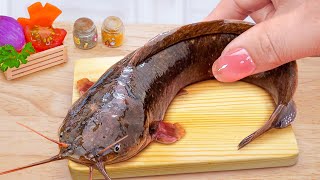
1h 5m How To Catch Fish 🐳 Catch and Cook Fried Catfish Miniature Cooking 🐳️ Tina Mini Cooking
 1h 5m
1h 5m Hot vs Cold Challenge 🥵 Miniature Spicy Octopus Seafood Boil Korean Ramen Noodles 🍜Tina Mini Cooking
 1h 5m
1h 5m The Top Chicken Recipes ❣️ Miniature Cheetos Chicken Lollipop and Takis Noodles ❣️ Tina Mini Cooking
 1h 5m
1h 5m Slow Down Mimi! 😹 Miniature Grilled Japanese Puffer Fish 💗 Real Mini Food Tina Mini Cooking
 6 min
6 min Small Rice Cake Shop - Stop Motion Cooking & ASMR
 10 min
 Breakfast - Sushi Lunch - Steak Dinner / Stop Motion Cooking & ASMR / Dice In Real Life Trilogy
 5 min
5 min ASMR | 1-week Delicious Bayashi Food #13 | COOKING
 5 min
5 min Miniature Doll massive chicken omelette Cooking in rain ASMR | Indian Village Tiny Kitchen Story
 2h 3m
2h 3m 5000+ Korean Food Recipe 😍 Miniature Fried Chicken Cheetos Black Bean Noodles 💕 Tina Mini Cooking
 10 min
 ASMR DALGONA from SQUID GAME with WENGIE | COOKING & EATING ASMR
 35 min
 Yummy Recipe 😍 Cooking Miniature Thai Steamed Clams And Grilled Mozzarella Clams 🧀 Tina Mini Cooking
 11 min
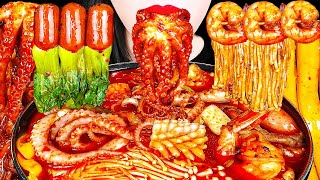
 ASMR SPICY SEAFOOD HOT POT 마라탕 뉴진면 먹방 OCTOPUS, ENOKI MUSHROOM MALATANG COOKING&EATING SOUNDS MUKBANG
 35 min
 So Crispy And Hot 😳 How To Cook Miniature Singapore Chili Crab With Spicy Sauce🔥By Tina Mini Cooking
 1h 1m
1h 1m Recipe Seafood Lovers 😳 3000+ Miniature Deep Fried Octopus with Cheetos Takis 😳 Tina Mini Cooking
 1h 5m
1h 5m Catch Eels In The River 🐳 Best Tasty Miniature Eel Healthy Fish Recipe 🤗 Real Food Tina Mini Cooking
 1h 2m
1h 2m Top Seafood Recipe 💗 Spicy Miniature Eel Stir Fried Korean Style 💗 Tina Mini Cooking
 1h 5m
1h 5m 🍰 Save My Talking Tom Which is Better Miniature Fried Chicken Cheetos or Takis 💗 Tina Mini Cooking
 5 min
5 min ASMR DEACHANG 바삭 통대창 먹방 GRILLED BEEF LARGE INTESTINES, SPICY ONION SAUCE COOKING & EATING MUKBANG
 5 min
5 min Lego Cocktail - Lego In Real Life 12 / Stop Motion Cooking & ASMR
 6 min
6 min Lego Unaju - Traditional Japanese Food / Stop Motion Cooking & ASMR
 20 min
 ASMR HONEY JELLY RECIPE COOKING COMPILATIONS PARTY 직접 만든 꿀젤리 요리 모음 먹방 DESSERTS MUKBANG EATING SOUNDS
 10 min
 ASMR SPICY ENOKI MUSHROOMS, SAUSAGES 불닭팽이버섯, 킬바사소시지 먹방 COOKING EATING SOUNDS MUKBANG ZOEY ASMR
 12 min
 ASMR Cooking / How to make Cake Tiramisu
 1h 5m
1h 5m Best Seafood Cooking 🤗 How To Cook Miniature Japanese Puffer Fish Spicy Eel 🐡 Tina Mini Cooking
 5 min
5 min ASMR | 1-week Delicious Bayashi Food #10 | COOKING
 1h 4m
1h 4m Delicious Food 😺🐭 How To Make Delicious Miniature Fried Buffalo Chicken Thighs 💗 Tina Mini Cooking
 13 min
 ASMR COOKING AND EATING SPICY MASALA MAGGI NOODLES,KURKURE MOMO,GREENCHILLI
Related triggers
Use cooking ASMR for
Where to buy
| Item | Why it fits | ||
|---|---|---|---|
| Wired over-ear headphones | Wired two-channel sound for binaural recordings, no Bluetooth lag. | See on Amazon | |
| Headband sleep headphones | Flat speakers in a soft headband, made for wearing in bed. | See on Amazon | |
| Small Bluetooth speakers for the nightstand | Plays sound into the room, so nothing presses on your ears. | See on Amazon |
As an Amazon Associate, ASMR Registry earns from qualifying purchases. Links open Amazon search results. We have not tested these products.
Frequently asked questions
What is cooking ASMR?
It is video or audio focused on food preparation sounds such as chopping, sizzling, stirring and pouring. Creators record close up to give viewers who respond a calm, tingly feeling.
Does cooking ASMR help with sleep?
Many people use it that way. No-talking versions work well because there is no language to process. Choose a long video with steady sound and set a sleep timer so it does not play all night.
What cooking sounds are most reliably relaxing in ASMR videos?
Sizzling and knife work are the most common starting points. Water sounds and steady stirring or kneading also suit calming down. Appliance beeps and simmering under a lid tend to be weaker.
Why does combining chopping, sizzling, and stirring work so well for ASMR?
Together they give a steady bed of sound with regular and irregular events, so your mind has something to follow without effort. It works best for people who find food preparation soothing and does not work for everyone.
What distinguishes an intentional cooking ASMR video from a regular cooking channel?
Intentional videos use close microphones, consistent volume and no jarring edits or music. Regular cooking channels often have talking, music, loud clangs and fast cuts.
Does binaural cooking ASMR create a stronger relaxation response than standard stereo?
It can, especially with headphones, because you hear fine sizzle layers and knife detail that speakers flatten. Once you know what works for you, speakers are fine for background listening.
- Pick long no-talking cooking videos for sleep and set a timer, so you avoid language processing and do not leave audio playing all night.
- Skip cooking videos with background music when you want to concentrate, because the music competes with your focus.
- If crunching or chewing sounds make you angry, switch to prep-only videos such as knife work, dough handling and plating that have no mouth sounds.
- Watch cooking videos after eating if hunger distracts you, since wanting the food competes with the relaxation response.
- If tingles fade, take a break or move to a different trigger group instead of replaying the same favorite videos.