 0 min
0 min ASMR for Kids
Health note: ASMR is a self-reported relaxation technique, not a medical treatment. If you experience anxiety, sleep disorders, tinnitus, or other health conditions, consult a qualified healthcare provider.
If your child wants to try ASMR, watch with them first, choose gentle videos made for children, and turn off autoplay so the next video is not a surprise. Skip anything with adult themes, roleplay aimed at adults, or loud sudden sounds. ASMR is not a treatment for sleep or anxiety, so talk to your child doctor about any worry.
Choose the video before the child does
The biggest risk is usually not the sound but what plays next. Popular ASMR sits close to adult content on many platforms, and autoplay can move from a toy sorting video to something unsuitable.
Pick a short list of channels you have checked, save them to a playlist and play from that list only.
What suits a child
- Familiar objects, such as toys, crayons or fabric.
- Soft, steady sounds with no sudden volume jumps.
- Gentle voices that a child can follow.
- Videos with a clear start and end.
What to skip
Skip roleplay made for adults, mouth sounds if your child dislikes them, and videos with loud intros. If a video makes your child tense or upset, stop it. There is no benefit in pushing through.
Use for bedtime with care
Some families use quiet audio at bedtime. Audio only, with the screen off, is simpler than a bright screen in a dark room. Keep the volume low and set a timer so it stops.
If your child has trouble sleeping often, see a doctor. ASMR is not a treatment for sleep problems.
Headphones
Children can wear headphones for ASMR, but keep the volume low and take breaks. Choose a comfortable, child sized pair, and stop if your child complains of discomfort.
What the research says
No study that we found has tested ASMR as a bedtime or sleep aid in children. A PubMed search on October 2026 for the full phrase autonomous sensory meridian response in titles and abstracts returned 103 records. Of those, 11 matched when we added child and adolescent search words, and many were not about children.
One that did involve children was a randomized trial by Tanna and colleagues in 2025. It enrolled 78 children aged 7 to 11 who needed dental treatment under local anaesthetic, and compared progressive muscle relaxation, ASMR and usual behaviour guidance. The authors reported that ASMR reduced a face scale anxiety score during the injection and reduced blood pressure during the anaesthetic, and concluded it could be used alongside usual guidance.
That is one small trial in one dental setting. It does not show that ASMR helps children sleep or feel calm at home. Reviews of the field, such as the 2023 narrative review by Mahady and colleagues, note that questions about expectation and placebo effects remain open.
ASMR is not a treatment; talk to a doctor if symptoms persist.
Quick decision list
- New to it: watch together first.
- Bedtime: audio only, low volume, with a timer.
- Upset by a sound: stop the video.
- Sleep or anxiety worries: see a doctor.
Best triggers for kids
Top videos
0 min  9 min
9 min ASMR BLACK BEAN ENOKI MUSHROOMS BABY OCTOPUS TRUFFLE BLACK BEAN NOODLES 짜장불닭팽이버섯 트러플짜파게티 먹방 MUKBANG
 5 min
5 min Lego Chocolate Cake - Lego In Real Life 10 / Stop Motion Cooking & ASMR
 1h 5m
1h 5m Recipes For Seafood Lovers 🐙 Miniature Japanese Spicy Fry Tiny Octopus Karaage 🏮 Tina Mini Cooking
 8 min
8 min Extreme Giant Sour Food + ASMR
 10 min
 ASMR BLACK BEAN ENOKI MUSHROOMS BABY OCTOPUS TRUFFLE BLACK BEAN NOODLES 짜장불닭팽이버섯 트러플짜파게티 먹방 MUKBANG
 10 min
 ASMR RAW SEAFOOD MUKBANG 꼴뚜기회, 새우회, 생굴, 전복회, 바다포도 먹방 OYSTER, BABY SQUID, SHRIMP, SEA GRAPES, ABALONE
 9h 57m
 White Noise for babies, blow dryer ASMR 10 hours, relaxing video, sleep aide, hair dryer
 3h 19m
 ASMR Sleep Like a Baby! 100+ Triggers Collection For Sleep (ASMR No Talking)
 5 min
5 min Lego Triple Layer Cheese Cake - Lego In Real Life 8 / Stop Motion Cooking & ASMR
 0 min
0 min ESTOS SON LOS HELADOS DE MADERA 🍦#asmr #shorts #asmrsounds #comedia
 10 min
 ASMR RAW SEAFOOD MUKBANG 꼴뚜기회, 산낙지회 해산물 먹방 BABY SQUID, OCTOPUS NO TALKING EATING SOUNDS KOREAN
 8 min
8 min ASMR DAECHANG 통대창 킬바사 불닭팽이버섯 쭈꾸미 먹방 KIELBASA SAUSAGE, ENOKI MUSHROOM, SPICY OCTOPUS MUKBANG KOREAN
 10 min
 ASMR SPICY HOT PEPPER JAJANGMYEON, SAUSAGES 불타는 고추짜장, 킬바사 소시지, 스팸, 팽이버섯 먹방 ENOKI MUSHROOM MUKBANG
 0 min
0 min LIMPIO TU HERIDA ENFERMERO DE TU COLEGIO #asmr #shorts #asmrsounds #comedia
 14 min
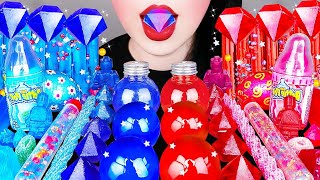
 ASMR BLUE&RED DESSERTS *GIANT STAR JELLY, BULB JUICE, GALAXY NOODLES, BOTTLE CANDY EATING SOUNDS 먹방
 1 min
1 min TE COMO 😳 #asmr #shorts #asmrsounds #comedia
 13 min
 ASMR 10X NUCLEAR FIRE NOODLES CHALLENGE!! MUKBANG *FAIL* EATING SOUNDS 먹방 HUNNIBEE ASMR
 5 min
5 min Lego Japanese Breakfast - Lego In Real Life 11 / Stop Motion Cooking & ASMR
 1h 5m
1h 5m Recipe For Seafood Lover 🤗 1000+ Spicy Miniature Korean Baby Octopus Stir Fried ❣️Tina Mini Cooking
 10 min
 ASMR BABY SQUID, SEA PINEAPPLE 꼴뚜기, 멍게회 먹방 NO TALKING EATING SOUNDS MUKBANG KOREAN
 0 min
0 min ASMR Yakee Super Asim Gum Ball 🇵🇭 90s kids' favorite super Asim Gum Ball #DoctorTristanPeh #ASMR
 10 min
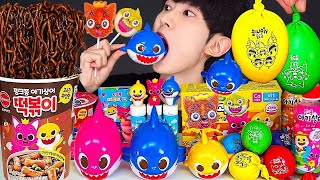
 ASMR BABY SHARK FOOD RECIPE PARTY 직접만든 아기상어 핑크퐁 젤리 먹방 DESSERTS JELLY CANDY MUKBANG EATING SOUNDS
 9 min
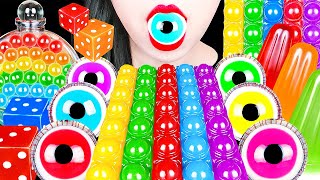
9 min ASMR RAINBOW DESSERTS 신기한 무지개 디저트 KOHAKUTO EYE GUMMY POPPING BOBA POP IT JELLY 레인보우 음식 먹방 MUKBANG
 1h 27m
 ASMR You are GOLD, Baby👑 (Golden Triggers with My Soul, Tapping)
 10 min
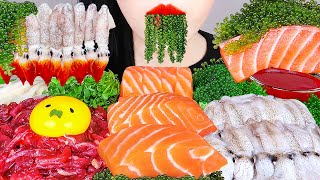
 ASMR BABY SQUID, RAW BEEF, SALMON, SEA GRAPES 꼴뚜기, 육회, 연어회, 바다포도 먹방 SEAFOOD MUKBANG EATING SOUNDS
 22 min
 ASMR *BLUE & PINK FOOD* COTTON CANDY MARSHMALLOW FLUFF, CHOCOLATE LEGO MAN, JELLY CAKE MUKBANG 먹방
 22 min
 ASMR EDIBLE RAINBOW HAIR BRUSH, UNICORN DROPPINGS, SPOONS, RAINBOW CAKE MUKBANG 먹방 HUNNIBEE ASMR
 8 min
8 min ASMR ICE CREAM BABY SHARK PARTY 다양한 아기상어 핑크퐁 아이스크림 젤리 먹방 DESSERTS JELLY CANDY MUKBANG EATING SOUNDS
 19 min
 Fastest ASMR | Travel Agent, Drawing You, Tattoo Artist, Hotel, Bank, Orthodontist, Tutor & More!
 30 min
 Cooking Miniature Korean Spicy Baby Octopus In Mini Kitchen 🐙 Seafood Recipe By Tina Mini Cooking
 0 min
0 min ASMR Sleepy Baby Hairs 😴 Skin Tracing & Back Scratch #asmr #shortsviral #newasmr
 9 min
9 min Lego Orange Marmalade - Lego In Real Life 13 / Stop Motion Cooking & ASMR
 8h 0m
8h 0m 【6M】The Best Lullaby Sound of Rain in a forest🌳
 1 min
1 min Mi cara es de plástico parte 2 #asmr #tapping #plastic
 22 min
 3 SCARY GAMES #57
 11 min
 ASMR BBQ BABY BACK RIBS & SHRIMP COCKTAILS MUKBANG (No Talking) EATING SOUNDS | Zach Choi ASMR
 8h 0m
8h 0m 【5M】 Hidden Forest Lullaby | Cozy Cabin Rain Sounds for Sleeping
 5 min
5 min Lego Taiwanese Castella Cake / Stop Motion Cooking & ASMR
 11 min
 BABY SQUID ASMR NO TALKING EATING SOUNDS MUKBANG 꼴뚜기회 노토킹 이팅사운드 먹방
 1h 8m
1h 8m ASMR The Ultimate Mouth Sounds Collab
 25 min
 ASMR EDIBLE ROCKS, BABY YODA, SCORPION LOLLIPOP, ANTS, WORMS, EYEBALL JELLY, JELLY NOODLE MUKBANG 먹방
 29 min
 ASMR | GRWM Full Face Makeup TRANSFORMATION
![[ASMR] Sleep Like A Baby ~ 3 Hours of Personal Attention](https://i.ytimg.com/vi/kXUZ8bwABkg/mqdefault.jpg) 3h 6m
3h 6m [ASMR] Sleep Like A Baby ~ 3 Hours of Personal Attention
 14 min
 Gigi Hadid Explores ASMR | W Magazine
 8 min
8 min SASHIMI ASMR ?BABY SQUID? NO TALKING EATING SOUNDS KOREAN MUKBANG + 꼴뚜기회 먹방 리얼사운드 노토킹
 1h 27m
 ASMR PINK DESSERTS, PEACH FANTA, SWEDISH BERRIES, RASPBERRY LEMONADE, MOUSSE CAKE MUKBANG 먹방
 36 min
 ~• Relaxing Towel Folding Tutorial •~ ASMR • Soft Spoken
 10 min
 ASMR BLACK BEAN ENOKI MUSHROOMS BABY OCTOPUS TRUFFLE BLACK BEAN NOODLES 짜장불닭팽이버섯 트러플짜파게티 먹방 MUKBANG
 10 min
 ASMR 10X NUCLEAR FIRE NOODLES CHALLENGE!! *RACE MUKBANG* EATING SOUNDS 먹방 HUNNIBEE ASMR
 7 min
7 min NOODLE ASMR *Spicy Baby Octopus* NO TALKING EATING SOUNDS MUKBANG ㅣ매콤한 쭈꾸미 라면 리얼사운드 먹방
 11 min
 ASMR BABY SQUID, SALMON, OYSTER, HAMACHI 방어회, 꼴뚜기, 석화, 병어회 *모둠회 먹방 RAW SEAFOOD EATING SOUNDS MUKBANG
 8 min
8 min ASMR SPICY ENOKI MUSHROOMS, BABY OCTOPUS, GHOST PEPPER NOODLES 불닭팽이버섯, 쭈꾸미, 고스트페퍼라면 먹방 MUKBANG
 17 min
 ASMR Blue Food, Blue Razz Gummy Shark, Sour Strips, Sugar Coated Raspberry Jelly Mukbang 먹방
 19 min
 ASMR EDIBLE NIKE AIR MAX 97 SHOE, MACARON ICE CREAM, COTTON CANDY, BABY MACARON CAKE EATING SHOW 먹방
 14 min
 Mobile Games Emojis IRL + ASMR
 28 min
 I Can’t Sleep, Mommy! 🌙 | Bedtime Good Habits Song for Kids | LiaChaCha
 13 min
 ASMR BBQ BABY BACK RIBS & GARLIC FRIES MUKBANG (No Talking) EATING SOUNDS | Zach Choi ASMR
 11 min
 ASMR BBQ BABY BACK RIBS & STRETCHY CHEESE FONDUE MUKBANG (No Talking) EATING SOUNDS | Zach Choi ASMR
 18 min
 ASMR Mukbang Eating 10 Foods ✨ Turtle Tortoise 142
Frequently asked questions
Is ASMR safe for kids?
It can be for many children when you choose the content and keep the volume low. The main risk is unsuitable videos nearby, so use a saved playlist and turn off autoplay. Stop if it upsets your child.
Does ASMR help kids sleep?
Some parents say so. No study that we found has tested it for children at bedtime. Treat it as a comfort choice and see a doctor about ongoing sleep trouble.
What kind of ASMR suits children?
Gentle, steady sounds with familiar objects and no sudden changes. Watch first to check it is suitable.
Is it safe for children to use headphones for ASMR?
Keep the volume low, take breaks and use a comfortable, child sized pair. Stop if your child has discomfort and ask a doctor if ear problems continue.
- Make a saved playlist of videos you have watched yourself, and play only from it so autoplay cannot lead your child somewhere unsuitable.
- Turn the screen off and use audio only at bedtime, with a timer, so the sound ends on its own after your child is asleep.
- Ask your child what they like and dislike, and stop any video that makes them tense, because comfort matters more than finishing.
- Keep headphone volume low and offer breaks, and speak to a doctor if your child complains of ear pain or ringing.