 1 min
1 min ASMR Personal Attention
Pick personal attention if ambient sounds leave you cold and you want to feel looked after. Choose a video where the creator speaks softly to you throughout, close your eyes after the opening, and give it a fair amount of time before judging. If you feel more anxious than calm, switch to a softer voice, a slower pace or a creator who whispers.
What it is, and how it differs from other triggers
In personal attention videos the creator looks at the camera and pretends to care for you: brushing hair, applying cream, checking your ears or adjusting a collar. Most triggers happen near you. Here you are the person being attended to.
It is not the same as roleplay. Roleplay has a scenario, a character and a story. Personal attention strips out the story and keeps the caring behaviour.
Plotless videos are easier to fall asleep to because there is nothing to follow. A roleplay gives your mind a thin thread to hold, which some people prefer for daytime anxiety.
Triggers that carry these videos
- Hair brushing and hair play: real hair against a brush, recorded close.
- Face touching: fingertips or a light layer of cream, often near silent.
- Eye contact with breaks: contact, look away, contact again. Constant staring tends to wear thin.
- Measuring and inspecting: a tape measure, a small light or a card held near your face.
- Hand movements at the edge of the frame: motion your eyes follow.
- Soft affirmations: a few gentle phrases per video. Too many turn syrupy.
Pick a good video quickly
- Eyes: a creator whose gaze drifts across your face feels like an examination. One who stares into the lens the whole time feels like a presentation.
- Pacing: slow speech with real gaps. The pauses matter as much as the whisper.
- Sound: close microphone, no mouth noise or harsh breath sounds. Use headphones so left and right movement is audible.
- Look: soft light and a plain background, so nothing pulls your gaze off the face.
- Editing: long unbroken takes. Frequent cuts spoil the feeling of being with someone.
Close the video if the first few minutes are narration about the creator's week, background music, or explanations of what they are about to do.
Run one tonight
Use headphones, wired if you have them, and turn the screen brightness down. Pick a video of moderate length, since a very short one ends before you drift and a very long one can lead to an autoplay that wakes you.
Watch the opening with your eyes open to check the eye contact and hand movement, then close them. If nothing has happened after several minutes, move on to another video. If headphones feel too intense, a small speaker near your pillow keeps the closeness without sound directly in your ears.
Give a creator a few videos before writing them off. Familiarity with a voice can make later videos land more than the first.
If it feels awkward or strange
Feeling odd about wanting a stranger to pretend to care is common, and the early minutes can feel awkward. It is not a defect. The format looks intimate because caring behaviour is intimate, and many listeners use it for relaxation and sleep, not for anything sexual.
If it stops working
- Take a break of a couple of weeks.
- Switch creators, not just videos, since the voice and pacing are what you have grown used to.
- Move to another trigger family such as tapping or crinkles, then return.
- Change the setup: different headphones, audio only with the screen off, or a different room.
Turning the volume up or hunting for one perfect new video usually costs you the night.
Use it as a tool, not a substitute
Watching most nights to wind down is a reasonable habit. Notice if a video starts replacing contact you owe someone, or if you feel hollow and want another straight after. If you feel settled, it is working.
If you feel hollow, a real person may be what you need. ASMR is not a treatment; talk to a doctor if loneliness or low mood persists.
Where to find it
Most personal attention content is on YouTube, since the visual half matters. Audio versions on podcast apps are handy once you know a video well and want the screen dark. Dedicated sound apps mostly offer rain and noise loops, not this kind of content.
What the research says
No study that we found has tested personal attention videos on their own, so the advice above is common listener practice, not tested results.
Best personal attention ASMR videos
1 min  0 min
0 min Asmr haircut 💈#trendingshorts #shortvideo #viralvideo #shorthairstyles #foryou #asmr
 1 min
1 min Why Japanese Barbershops Feel Like Therapy | ASMR Haircut #asmr #barbershop #asmrvideo
 18 min
 Fastest ASMR | Dentist, Eye, Cranial Nerve, Sleep Clinic, Lice, Ear Exam, Ear Cleaning, Makeup, Spa!
 0 min
0 min Fake blood 🩸 Asmr haircut 💈 # #shorts#duckybhai #viralvideo#asmr look at me#skibiditoilet
 25 min
 AMAZING TRANSFORMATION | What A Wonderful Feeling - His First Haircut After Years
 1h 10m
 ✂️ Sleep-inducing Haircut 💇 ASMR | Shampoo | Page Flipping | Scissors
 0 min
0 min Manyu ASMR | First Immersive SPA of 2025
 0 min
0 min #indianbarber#asmrsounds#oldbarber#barber #haircut #asmr #asmrbarber#shave
![She Didn't Miss a Spot! [ASMR] #haircut #shaving #barbershop](https://i.ytimg.com/vi/xYprFhwETmQ/mqdefault.jpg) 0 min
0 min She Didn't Miss a Spot! [ASMR] #haircut #shaving #barbershop
 1h 19m
 ASMR Friend Pampers You ⛅ Tingly Spa & Makeup (Layered Sounds)
 1 min
1 min Why Do the End of these food surgeries make me feel weird? 😭💔🤧 Satisfying #asmr #discountdentist
 1 min
1 min Jajajaja #humor #asmr #globo #comedia #doctor
 11 min
 Fastest ASMR | Tailor, Haircut, Drawing You, Face Paint, Allergist, Librarian, Barista, Grocery, Bar
 22 min
 Fastest Medical ASMR | Everything is Wrong! (Neurologist, Dentist, Allergist, Eye Doctor & More!)
 1h 2m
1h 2m The Best Unintentional ASMR Medical Exam EVER | Real Doctor Performs Full Medical Exam | Sleep Aid
 17 min
 ASMR🦷 Dentist Cleans Your Teeth!!
 53 min
 School Nurse Lice Check💙 ASMR
 1 min
1 min ASMR - Manyu's Immersive Duo SPA Deep Relaxation
 45 min
 💈 ASMR BARBER - How a barber can change your day - UNDERCUT & BEARD TRIM TUTORIAL - 3 years no trim
 1 min
1 min ASMR - Manyu's Immersive SPA | Volcanic Red
 50 min
 The Cranial Nerve Exam - ASMR
 33 min
 ASMR 가장 좋았던 베이징 머리 청소 The Best Hair Spa
 21 min
 Fastest Medical ASMR | Neurologist, Eye Doctor, Dentist, Pediatrician, Allergist, PT, Derm, & More!
 0 min
0 min Satisfying Miniature: Makeup Artist Playset ASMR (No talking)
 1 min
1 min Pro vs Doctor Juno vs Brutal #asmr #sleep #junoasmr
 0 min
0 min Full ASMR Relaxing Haircut 💈
 24 min
 ASMR 가장 전문적인 한국식 두피관리 | 이어 테라피 | Best Hair Spa
 36 min
 ASMR Doing Your Makeup 🍒 (Fast & Aggressive, Layered Personal Attention)
 0 min
0 min POV: your crush goes to the dentist 😍🦷❤️ #asmr #shorts
 1h 6m
1h 6m ◼Backstage Makeup & Hair Styling◼ ASMR
 22 min
 ASMR ♣ FACE TOUCHING ♥ for sleep and relaxation ♠ АСМР
 1 min
1 min ASMR For Sleep and Relaxation 😴 #asmr #asmrvideo
 1 min
1 min asmr - Manyu immersive SPA care deep brain-tingling relaxation
 0 min
0 min Dentist eats leftovers!!?👀😋 #mukbang #asmrtingles #shorts
 1 min
1 min ASMR mermaid spa treatment 🫧🧜🏻♀️ #asmr #mermaid #spa
 1 min
1 min ASMR | Manyu's Chinese New Year Immersive Cleaning SPA
 20 min
 ASMR ✂do u want a HAIRCUT? come in!!!✂
 35 min
 The Hair Parlour | ASMR Roleplay, Edwardian Era (haircut, brushing, shampoo, scalp exam & massage)
 20 min
 ASMR Hair Spa for Deep Sleep 깊은 수면을 위한 헤어스파
 29 min
 ASMR | The Most Relaxing Hair Spa on a rainy day | Scalp Treatment
 0 min
0 min ASMR doctor roleplay sharp or dull FAIL part 1
 0 min
0 min ASMR SOMETHINGS IN YOUR EYE 👁️👁️ #SHORTS Asmr medical exam for sleep, Asmr for relaxing, doctor
 1 min
1 min 1950’s Authentic Haircut & Shave 💈 | #ASMR
![ASMR VR 치석제거 치과 롤플레이(당신은 목젖입니다) asmr scaling dentist [VR 180] 상황극](https://i.ytimg.com/vi/hBCKWNlQuFA/mqdefault.jpg) 15 min
15 min ASMR VR 치석제거 치과 롤플레이(당신은 목젖입니다) asmr scaling dentist [VR 180] 상황극
![[ASMR] The MOST realistic barbershop haircut EVER💈✂️(4k60fps)](https://i.ytimg.com/vi/TW-LgJUiMX0/mqdefault.jpg) 29 min
29 min [ASMR] The MOST realistic barbershop haircut EVER💈✂️(4k60fps)
 25 min
 ASMR 역대 최고의 헤어 스파
 2 min
2 min (ASMR) British YouTube Creator Gets Professional Haircut from Top Stylist in Tokyo, Japan
 11 min
 ASMR- FAST AND AGGRESSIVE MAKEUP APPLICATION 😡(Personal Attention)
![[ASMR] Doctor Scalp Check and Treatment](https://i.ytimg.com/vi/Hs-7KYJ13ms/mqdefault.jpg) 25 min
25 min [ASMR] Doctor Scalp Check and Treatment
 18 min
 ASMR: Cranial Nerve Examination - Traditional Role Play
 0 min
0 min VERY “Professional” Tongue Piercing Shop ASMR Roleplay! Most FASTEST #asmr #shorts #asmrsounds
 0 min
0 min Long Time No See Dentist 🦷 #asmr #shorts no. 113 #shortsvideo
 38 min
 BarberShop ASMR(Clipper, Haircut, Shaving) 갑자기 영어하는 바버샵ASMR (이발기, 가위, 면도)
 20 min
 Doctor & Nurse Latte's Ear Cleaning👂 ASMR
 1h 37m
 ASMR Mermaid Spa Day Pampering 🧜♀️✨ (layered sounds, personal attention, body scrub, scalp massage)
 27 min
 ASMR Dentist Cleans Your Teeth & Eats The Candy Out Of It (Part 2)🦷🍫ASMR Dentist Role-play
 1h 28m
 Doing your Night Skincare (shampoo, electronic triggers, personal attention) ASMR for sleep
 1 min
1 min Vintage 1950’s Barber Haircut & Shave 💈 | #ASMR
 22 min
 ASMR Doctor Roleplay - Yearly Exam
 21 min
 ASMR🦷 Dentist Pulls Your Bad Teeth!
 7 min
7 min ASMR | Top 4 Dentist Eats Candy from your Teeth Compilation 🦷
 1 min
1 min ASMR FAST & AGGRESSIVE EYE EXAM IN 1 MINUTE! Medical examination #asmr #shorts #asmrsounds
 19 min
 ASMR School Nurse checks your hair for Lice💆♀️ (she plucks them out one by one)🥵
 1h 9m
1h 9m Calm and Peaceful Time with Nurse💞/ ASMR Nurse
 31 min
 ASMR Doing Your Makeup 🌻 (Fast & Aggressive, Layered Sounds)
 41 min
 Sleep Time 💤 Tucking You In | ASMR | Massage, Facial, Humming
 1h 9m
1h 9m ASMR The MOST Detailed Cranial Nerve Exam YOU'VE SEEN Doctor Roleplay Ear, Eye Exam Hearing Test
 1h 13m
 ASMR| 1 HOUR SLEEP CLINIC ER (DOCTOR ROLEPLAY)
 1 min
1 min Fairy Cranial Nerve Exam 🧠 #asmr #fantasy #roleplay
 0 min
0 min Rude Dentist #asmr #asmrvideos #satisfying
 11 min
 Melissa & Doug Dentist kit + extras |ASMR
 0 min
0 min Perfect DEEP 🍑 BREATHE 🫁 Lung Sounds #asmr #medical #exam #beautiful #girls
 29 min
 ASMR (Sub✔) 학교 보건실에서 잠들기 (상처치료 상황극) school nurse RP
 52 min
 ASMR Mushroom Decomposes You 💀 Fungal Spa & Facial (Layered Sounds)
 30 min
 ASMR Doctor's Checkup (Everything is...Right????)
 18 min
 ASMR 가장 친절했던 머리 청소 Shampoo and Hair Wash
 0 min
0 min Asmr saç kesim videoları ne k adar seviyorsunuz ? #asmrsounds #haircut #barber #asmrvideo #asmr
 1 min
1 min 💈(ASMR) Japan's Award-Winning Barber Gives an Ultimate Haircut & Style | Scissor-Over-Comb Haircut
 37 min
 ASMR | Relaxing Spa Facial ♡
 20 min
 Ear Cleaning ASMR | Eyebrow trimming | Eye Spa | Scalp Massage
 52 min
 ASMR SLEEP CLINIC | Assessing & Applying Different TRIGGER GROUPS For Inducing ASMR | Dr Karuna, M.D
 18 min
 asmr en español - ASMR para DORMIR BOMBA en menos de 15 min! - Ale ASMR
 0 min
0 min 1 Minute Haircut Roleplay ASMR
 23 min
 ASMR 가장 좋았던 난징 귀청소 FULL VERSION
 1 min
1 min Full Body Measuring You Before Bed 👌🏻 | #ASMR
 51 min
 ASMR EXPERIMENTAL SPA - Unique & Tingly Ear to Ear Treatments
 27 min
 The Girl In The Back Of The Class Plays With Your Hair ~ ASMR personal attention
 1h 7m
1h 7m ✨ ASMR Spa Treatments | My visit to Whisperlodge ✨
 28 min
 ASMR | Cranial Nerve Exam (Everything is Wrong)
 44 min
 You have never tried a hair SPA like this! The longest hair wash I ever had - HEAD WATER MASSAGE
 9 min
9 min ASMR - 6 ROLE PLAYS IN 9 MINUTES! (Eye exam, sleep clinic, dentist, lice, ear exam, make over)
 39 min
 Vietnam Spa Shave & Massage Attending to EVERY Limb! | ASMR Barbershop
 45 min
 💈(ASMR) She Did Everything! Barbering Full Service – Haircut, Shave & More
 19 min
 ASMR MAKE FAKE SPA | O TRATAMENTO MAIS RELAXANTE DE TODOS 😴
 22 min
 FAST ASMR - dentist, cranial nerve, eye checkup, make-up, lice check, ear cleaning & spa
 29 min
 ASMR Personal Attention To Help You Sleep
 41 min
 ASMR | Comprehensive Eye Exam with Trial Frames | Testing Far and Near Vision
 38 min
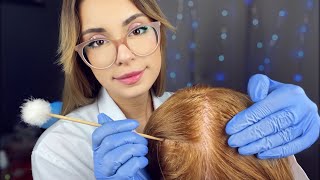
 ASMR Doctor Scalp & Lice Check Inspection Exam Roleplay Medical Examination, Glove Sounds, Massage
 6 min
6 min ASMR 보건선생님💊Korean School Nurse RP asmr
Related triggers
Use personal attention ASMR for
Where to buy
| Item | Why it fits | ||
|---|---|---|---|
| Wired over-ear headphones | Wired two-channel sound for binaural recordings, no Bluetooth lag. | See on Amazon | |
| Headband sleep headphones | Flat speakers in a soft headband, made for wearing in bed. | See on Amazon | |
| Small Bluetooth speakers for the nightstand | Plays sound into the room, so nothing presses on your ears. | See on Amazon |
As an Amazon Associate, ASMR Registry earns from qualifying purchases. Links open Amazon search results. We have not tested these products.
Frequently asked questions
What is personal attention ASMR?
Videos where the creator speaks and acts as if they are caring for you, such as brushing hair, a face exam or reading to you. The focus is on you, not on background sound.
Can personal attention ASMR help me sleep?
Some people use it to wind down. Plotless videos with a soft voice and slow pace are easier to fall asleep to than roleplays with a story. This is a personal report, not a tested effect.
Who is it for?
People who like being looked after and find ambient sound flat. It may be less comfortable if receiving care feels awkward, though that can ease with familiarity.
Do I need headphones?
They help, because good videos move sound from ear to ear. If headphones feel too intense, a small speaker near your pillow still gives the closeness.
- Watch the creator's eyes in the opening, and pick videos where the gaze drifts across your face instead of staring at the lens the whole time.
- Choose plotless videos for sleep and keep roleplay for daytime when you want a story to hold your attention.
- When tingles fade, take a break of a couple of weeks and then try a new creator instead of searching for one perfect replacement video.
- Turn the screen brightness down and close your eyes after the opening so the video becomes audio and the light does not keep you awake.