 31 min
 ASMR Tapping
For tapping, start with glass or wood, since hard plastic can sound sharp and keep you alert. For sleep, pick a long, slow, no-talking video with an even rhythm.
Use headphones with binaural recordings if you can. Skip fast, hard-surface tapping if you are sensitive to sound or prone to feeling on edge.
Pick a surface
- Glass: a clean, bright tap that stops quickly. A jar has more body, a window pane is thinner and sharper.
- Wood: warmer and more hollow. Choose it if glass sounds too sharp.
- Plastic: varies widely. Hard acrylic sounds close to glass, soft plastic gives a dull thud.
- Fabric: soft and muted, closer to brushing than tapping. Good if hard surfaces feel overstimulating.
- Microphone capsule: tapping on the microphone itself gives a big, low thump. Listeners who like it tend to like it a lot, and others leave quickly.
- Skin and back tapping: soft and organic. Back tapping reads as personal attention.
Pick a speed
- Slow, deliberate: the usual choice for sleep. Long gaps let each sound fade before the next arrives.
- Fast, drumroll-like: energising. Some listeners find it gives a stronger immediate tingle, and others use it as a sound anchor for focus.
If you are not sure, start with slow tapping on wood or fabric at moderate volume for sleep, and fast tapping on glass for a quick tingle or for focus.
Match it to your goal
- Sleep: a long video with a slow, consistent rhythm on one surface. Avoid videos that change surface every few minutes. Listen with your eyes closed and the phone face down.
- Focus: shorter sessions with steady tapping. Rotating between two or three textures can refresh the effect.
- Anxiety: slow tapping on soft surfaces is a gentler starting point than fast glass tapping. Avoid fast tapping if it feels activating.
Binaural or mono
Binaural recordings place taps on the left or right, which adds a sense of presence in headphones. Mono recordings can sound cleaner on a phone speaker. Choose binaural for headphones, and mono for speakers.
Pick a good creator
- Close microphone: hands near the capsule so each tap is distinct.
- Even rhythm: irregular tapping keeps you waiting for the next sound.
- Quiet room: skip videos with hiss, hum or background clicking.
- No volume spikes: one loud tap among quiet ones can pull you out of a drowsy state.
- Few cuts: frequent edits restart your attention.
If tapping does nothing for you
Some listeners respond more to feeling attended to than to abstract surface sounds. If so, try no-talking tapping where the creator is visible and interacts with the camera, or tapping inside a personal attention roleplay. Give tapping a few sessions before deciding, and try glass if you have only heard plastic.
Tapping with scratching
Tapping is percussive, with separate hits. Scratching is a continuous friction sound.
Many videos alternate them on one surface, and the contrast can stop either one from going stale. If you respond to one, try the other.
How it compares
Tapping sits in the middle of the trigger range. It is more structured than crinkling or page turning, more percussive than whispering, and less intimate than ear cleaning. If you want a steady beat, typing is a close relative.
A simple sleep playlist
Start with moderate tapping on a warm surface like wood while you wind down, then move to slow glass or fabric tapping. Try to stay with one creator, since changing room tone and microphone makes your ears re-adjust.
What the research says
No study that we found has tested tapping ASMR on its own. Poerio and colleagues (2018) studied ASMR videos generally, so the findings are not about tapping specifically. Treat the advice above as common listener practice, not tested results.
Best tapping ASMR videos
31 min  3h 51m
 ASMR 99.99% of You Will SLEEP 😴💤 ASMR학과 수면학개론 제 1강
 56 min
 ASMR 20 Triggers To Help You Sleep ♥
 10h 18m
 ASMR 10 Hours of Tapping, Crinkle & Trigger Sounds - No Talking Just Sounds
 37 min
 ASMR tapping
 3h 13m
 ASMR Best Tapping Collection for 100% Guaranteed Sleep / 3Hr (No Talking)
![[ASMR] Dark & Relaxing Tapping & Scratching [Close Whispers]](https://i.ytimg.com/vi/FidhD-izZnk/mqdefault.jpg) 28 min
28 min [ASMR] Dark & Relaxing Tapping & Scratching [Close Whispers]
 3h 14m
 The Ultimate Tapping ASMR 3 Hours (No Talking)
![[ASMR] 100% Guaranteed Sleep for 4 Hours🌙✨ ASMR학과 팅글학개론 제 1강](https://i.ytimg.com/vi/Gq5bVmgxx30/mqdefault.jpg) 4h 15m
4h 15m [ASMR] 100% Guaranteed Sleep for 4 Hours🌙✨ ASMR학과 팅글학개론 제 1강
 3h 35m
 ASMR raffy's 3 hour video
 1h 12m
 ASMR Satisfying Head Peeling, Face & Ear Cleaning, Konjac Sponges, Tapping, Scratching & MORE
 26 min
 ASMR for People Who Don't Get Tingles
 13 min
 ASMR TU AMIGA TE HACE EL SKINCARE | ROLEPLAY EN ESPAÑOL
 8 min
8 min ASMR TE HAGO UN PIERCING | ROLEPLAY EN ESPAÑOL
 57 min
 (ASMR) 1 Hour of Triggers for your Sleep (Soft Tapping, Brushing, Stipple, Crinkling) Obviously
 1h 0m
1h 0m ASMR Addictive Tapping 1 Hr (No Talking)
 13 min
 100 TRIGGERS ASMR CHALLENGE 🎧 Tapping • Trigger words • Lid sounds
 3h 27m
 ASMR Most Brain Melting Best Triggers Ever 😴 99.9% of You Will Sleep / 3Hr
 5h 4m
5h 4m ASMR For People Who Need SLEEP 날카로운 소리가 없어서 귀가 편안한 ASMR 모음집
 41 min
 💤 TAPS for YOUR NAPZzz 💤 ASMR
 35 min
 ASMR NEXT LEVEL for Brain Melting Tingles and Deep Sleep
 24 min
 ASMR Fall Asleep in 25 Minutes 😴 Instant Sleep
 1h 26m
 ASMR All of Slow Triggers for Relaxation and Sleep 🌙
 1h 39m
 ASMR 1000+ TRIGGERS for People with Short Attention Span | 5 Secs per Sound to Fall Asleep Fast!
 19 min
 Best ASMR tapping video ever
 26 min
 ASMR NOOB VS PRO VS HACKER ASMRTIST
 1h 46m
 ASMR | 100 Fast and Aggressive Triggers: Salt & Pepper, Pay Attention, Hand Sounds, & More!! (100k!)
 1h 27m
 ASMR You are GOLD, Baby👑 (Golden Triggers with My Soul, Tapping)
 2h 56m
 ASMR Sleep Time! Best Triggers for Sleep & Relaxation 진심으로 잠들고 싶은 분들을 위한 ASMR
 1h 20m
 ASMR Tascam Tingly Ear Cleaning ✨ Mic Tapping, Tweezers, Q-Tips, Brushing, Feather Pick ✨ NO TALKING
 16 min
 ASMR TE MAQUILLO PARA UNA CITA | ROLEPLAY EN ESPAÑOL
 19 min
 Unintentional ASMR 🔨 Welsh Stone Carver (Tapping Gently & Sharing Wisdom)
 3h 12m
 ASMR 250+ Best Triggers for Those Who Don't Get Tingles
 1h 16m
 ASMR 1H OF TAPPING NO TALKING! more than 1 hour!
 1h 36m
 150 Powerful ASMR Triggers for Sleep
 3h 3m
3h 3m ASMR Best Triggers for Sleep 3Hr 😴 당신이 그토록 찾던 ASMR 모음집
 15 min
 ASMR MI SKINCARE ROUTINE DE NOCHE
 1h 34m
 ASMR LEGENDARY TAPPING | 1,5 hour no talking compilation
 24 min
 ASMR Reiki Energy Healing & Plucking Role Play
![ASMR ULTIMATE TAPPING | Your Top Tapping Triggers for Sleep and Tingles [NO TALKING]](https://i.ytimg.com/vi/E8AMcxnNloU/mqdefault.jpg) 3h 13m
3h 13m ASMR ULTIMATE TAPPING | Your Top Tapping Triggers for Sleep and Tingles [NO TALKING]
 34 min
 ASMR Touch Tapping 5.5 No Talking Just Relaxation
 1h 3m
1h 3m ASMR trigger assortment (tapping, liquid shaking, spraying, trigger words)
 39 min
 ASMR UNDER YOUR SKIN | Tattoo & Piercing Tingles from Ear to Ear
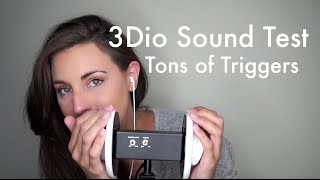 44 min
 ASMR 3Dio Test - Ear to Ear, Case Tapping, Mouth Sounds, Unintelligible Whispering, MORE
 1h 12m
 ASMR 10 Levels of Tapping | Tingle Immunity Treatment (No Talking)
 1h 0m
1h 0m ASMR 1Hour Relaxing Wood Triggers 독보적! 섬세한 나무소리 장인🌳 1시간!
 1h 21m
 ASMR 100+ Triggers from Ear to Ear for Tingles, Sleep & Relaxation
 1 min
1 min Mi cara es de plástico parte 2 #asmr #tapping #plastic
 28 min
 ASMR Tapping For Sleep/Relaxation ♡ (Long Nails & Whispering)
 1h 23m
 ASMR for People Who NEVER Had Tingles
 10 min
 ASMR TE PONGO LA VACUNA DEL COVID-19 | ROLEPLAY EN ESPAÑOL
 23 min
 ASMR HIGH SPEED TAPPING | Fast. Aggressive. No Mercy.
 1h 26m
 ASMR 1.5 hours of new triggers (sound assortment)
 54 min
 100 Mighty ASMR Triggers for Sleep
 1h 1m
1h 1m ASMR Tascam Mic Tapping W/ Scratching (NO TALKING) Gentle Close Up Ear to Ear Sounds 😴 White Noise
 40 min
 ASMR Sleepy Long Nail Tapping ♡ (Scratching & Whispering)
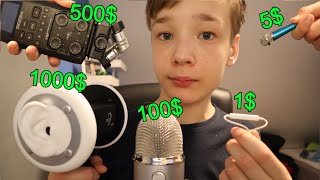 15 min
 $1 Microphone VS $1,000 Microphone ASMR
 29 min
 ASMR | GRWM Full Face Makeup TRANSFORMATION
 15 min
 ASMR RUTINA DE SKINCARE COREANA
 3h 9m
3h 9m ASMR Triggers For INSTANT Sleep Guaranteed 이 영상 보는 순간 바로 잠듦 주의
 37 min
 ASMR 🌥️ Paradise Lab 🌥️
 47 min
 \\\Cute Cards and Journals/// Tapping, Page flipping /ASMR/
 16 min
 ASMR Sounds with the Roommate (Tapping, Lid Sounds, Whispering)
 3h 6m
3h 6m ASMR Deep Inner Ear Tingles 👂 SLEEP & RELAX with the Best Ear Cleaning Triggers on YouTube
 3h 5m
3h 5m ASMR Ultimate Tapping - The Best Tapping Triggers For Sleep and Tingles (ASMR No Talking)
 1h 2m
1h 2m ASMR Good Sounds Only (All New Triggers)
 2h 19m
 ASMR 100% Tingles Guaranteed 장인의 손길로 탄생한 고급진 ASMR
 7 min
7 min Nana does ASMR tapping!
 38 min
 ASMR Most Delicate and Calming Tapping for Sleep (No Talking)
![Qi Music Meditation for Balance | Himalayan Singing Bowls [ASMR]](https://i.ytimg.com/vi/JXm5-jqkfPY/mqdefault.jpg) 51 min
51 min Qi Music Meditation for Balance | Himalayan Singing Bowls [ASMR]
![ASMR | YOU. WILL. TINGLE. [and then fall asleep to these super-effective triggers]](https://i.ytimg.com/vi/TgRyb9Em0l0/mqdefault.jpg) 1h 36m
1h 36m ASMR | YOU. WILL. TINGLE. [and then fall asleep to these super-effective triggers]
 1h 4m
1h 4m ASMR Experimental Pampering for Sleep | Gooey. Fizzy. Satisfying.
![[ASMR] 1300万円機材🎧感触まで感じる史上最高音質、必ず眠れる脳から癒す熟睡音。癒し/囁き/耳かき/ Triggers for Deep Sleep【睡眠導入/KU100】](https://i.ytimg.com/vi/4Z-g1WevQfI/mqdefault.jpg) 1h 40m
1h 40m [ASMR] 1300万円機材🎧感触まで感じる史上最高音質、必ず眠れる脳から癒す熟睡音。癒し/囁き/耳かき/ Triggers for Deep Sleep【睡眠導入/KU100】
 2h 34m
 ASMR The Most Satisfying Collection Triggers 당신이 그토록 원하던 ASMR 모음집
 1h 15m
 ASMR to Help You Through Sleepless Nights
 12 min
 ASMR VENDEDORA DE MAQUILLAJE | ROLEPLAY EN ESPAÑOL
 15 min
 ASMR NOOB VS PRO ASMRTIST
 16 min
 ASMR setting and breaking the pattern (tapping, whispers)
 0 min
0 min Tapping so hard my nails fall off!! #asmr #shorts
![ASMR Fast & Unique Preview Compilation for Massive Tingles [Highly Requested]](https://i.ytimg.com/vi/8AU7TkfNMso/mqdefault.jpg) 56 min
56 min ASMR Fast & Unique Preview Compilation for Massive Tingles [Highly Requested]
 0 min
0 min ASMR diamond tapping 👀
 10 min
 Asmr - tapping and scratching random objects/ more leggings scratching
 13 min
 ASMR MANICURISTA ANTIPÁTICA | ROLEPLAY EN ESPAÑOL
 1 min
1 min Tingliest Tapping + Textured Scratching 🧠😴 #asmr #tapping #sleepaid
 1h 19m
 ASMR en TU CAMITA ❤️ Te Ayudo a Relajarte y Dormir 💤【Atención Personal】
 2h 2m
2h 2m 100% of YOU will sleep to this ASMR 휴식과 안정이 필요한 사람들을 위한 ASMR
 1h 29m
 ASMR MENergy! Chill With the Dudes – Intense Tingles for Deep Sleep!
 24 min
 Olivia Munn Explores ASMR | W Magazine
 1h 53m
 99.99% of YOU will sleep to this ASMR ($100,000 microphone)
 18 min
 ASMR SIRVIENTA REAL 👑 Cuidado facial y te cepillo el pelo, alteza 【Siglo XIX RP】
 16 min
 ASMR Fall into my softness
 20 min
 ASMR for People Who Want to Fall Asleep Within 20 Minutes
 33 min
 ASMR KAWAII TASCAM TINGLES | Mic Test Trigger Cuteness
 3h 15m
 ASMR | BACK TO BLACK 🖤 Deep Sleep & Strong Tingles with Pitch Black Ear-to-Ear Triggers ONLY
 3h 0m
3h 0m 🎧 АСМР это ИДЕАЛЬНЫЙ ФОН для Игры, Учебы, Работы, Сна 😴 ТРИГГЕРЫ 3 ЧАСА | ASMR
 1h 11m
 ASMR Tapping & Scratching Binaural Dummy Head Mic (NO TALKING) Intense Sounds for Tingles & Study
 15 min
 Best ASMR Ever 💕🥱💤
 1h 10m
 ASMR gentle sounds for sleep
 1h 33m
 ASMR Preview Collection - The Very Best Ear to Ear Triggers for Brain-melting Tingles and Deep Sleep
 19 min
 ASMR // NAIL TAPPING *MAJOR TINGLES* - SCRATCHING (GLASS+PLASTIC) - RELAXING
Related triggers
Use tapping ASMR for
Where to buy
| Item | Why it fits | ||
|---|---|---|---|
| Wired over-ear headphones | Wired two-channel sound for binaural recordings, no Bluetooth lag. | See on Amazon | |
| Headband sleep headphones | Flat speakers in a soft headband, made for wearing in bed. | See on Amazon | |
| Small Bluetooth speakers for the nightstand | Plays sound into the room, so nothing presses on your ears. | See on Amazon |
As an Amazon Associate, ASMR Registry earns from qualifying purchases. Links open Amazon search results. We have not tested these products.
Frequently asked questions
What is ASMR tapping?
Tapping is a trigger where fingers or nails tap a surface such as glass, wood, plastic or skin. The sound depends on the surface, the speed, nail length and microphone placement.
Is tapping good for sleep?
Some people use slow, even tapping on wood or fabric in a long no-talking video. Avoid fast tapping and sudden loud taps. This is a personal report, not a tested effect.
What is the difference between tapping and scratching?
Tapping is made of separate hits. Scratching is a continuous friction sound. Many videos alternate between them on the same surface.
Why do I feel nothing from tapping?
Some listeners respond more to feeling cared for than to surface sounds. Try glass or wood, binaural recordings on headphones, or tapping with a visible creator.
- Use binaural tapping on headphones for sleep, and choose a long video so it does not end while you are drifting off.
- If fast tapping makes you more alert, drop to slow tapping on wood or fabric.
- Rotate between two or three textures in a long focus session, such as slow glass, then wood, then fabric, to keep the sound fresh.
- Skip videos with noisy rooms, random pauses or sudden loud taps, since they keep your attention waiting for the next sound.